By Keshet Youth
Each year as we approach the High Holidays, we at Keshet ask: what can we do to bring the values of belonging, equity, and liberation to the world?
We asked seven trans and non-binary teens to reflect on their own experiences and how they understand our Seven Jewish Values for LGBTQ+ belonging in their own lives and communities. At a time when attacks on trans rights are intensifying, these young people can light the way forward as we all work toward a brighter, liberated future for trans and non-binary Jews of all ages.
—
Kol Yisrael Arevim Zeh Bazeh: Communal Responsibility
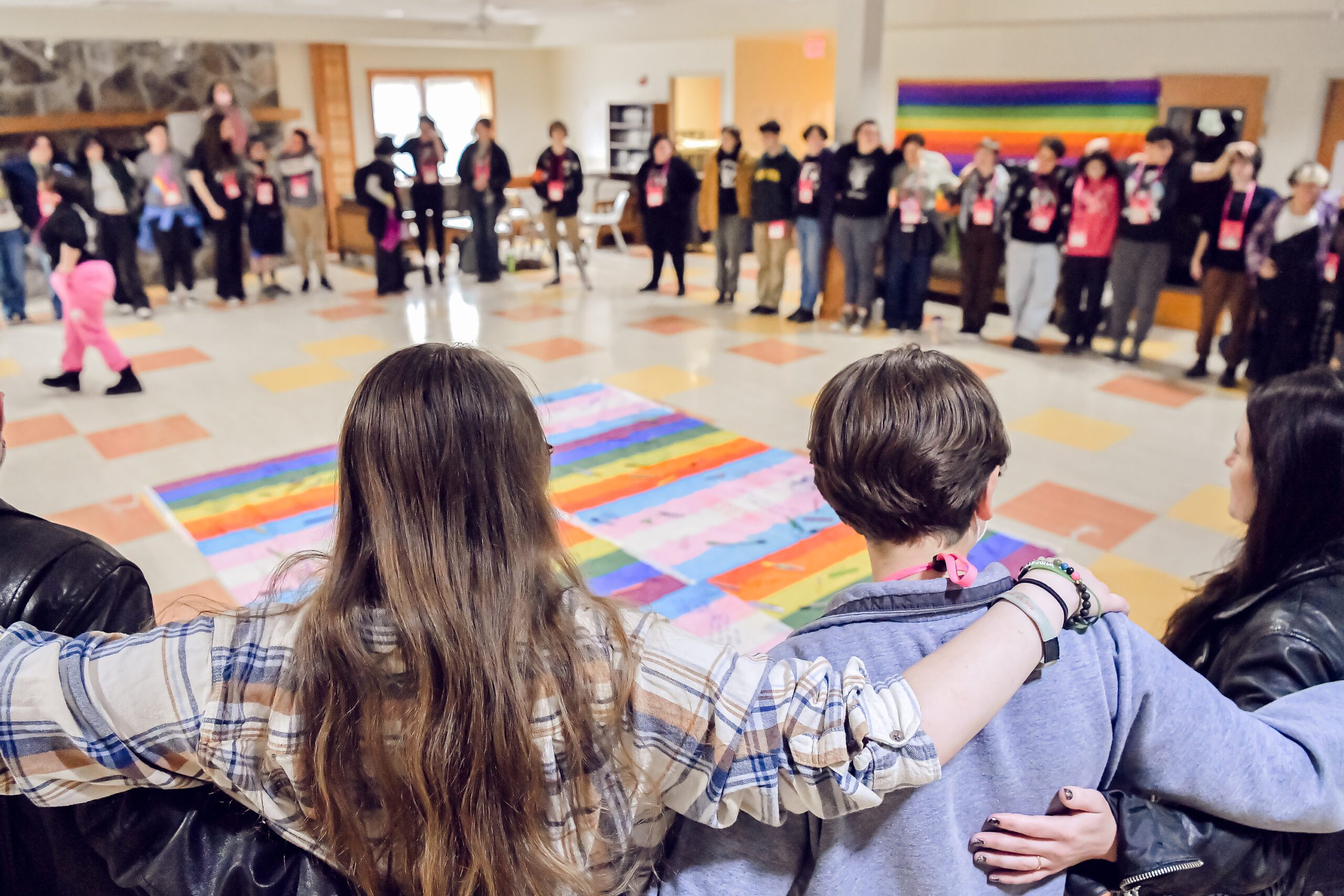
The Talmud says ”כל ישראל ערבים זה בזה” – Kol Yisrael Arevim Zeh Bazeh. In English this means, “All Israel is responsible for one another.” The Talmud makes clear that we, as Jews, are responsible for caring for each other, for creating a safe environment, and for standing up for one another.
I come from an Orthodox-ish background where I experienced, on many occasions, feeling uncomfortable and ashamed. The rabbis I knew thought that people like me were wrong. My identity didn’t fit into the natural order of things. There were stares and gossip behind my back when I walked into an Orthodox synagogue because I don’t look like the rest of the Jewish teens there, with my short dyed hair and androgynous presentation.
As Jews, we have this amazing opportunity to ensure that the space we hold in this world is inclusive to everyone. It is on us to make sure we accept and care for our fellow Jews. We could have a world where trans Jews feel comfortable coming out in their Jewish communities, where congregations have inclusive policies in place, where rabbis are a guiding source for youth, and even where choosing a side of the mechitza to be on isn’t a painful decision. It’s our responsibility that we ensure that our communities and our world are safe for everyone, regardless of whether they are trans.
-Hayden
—
Kavod: Respect
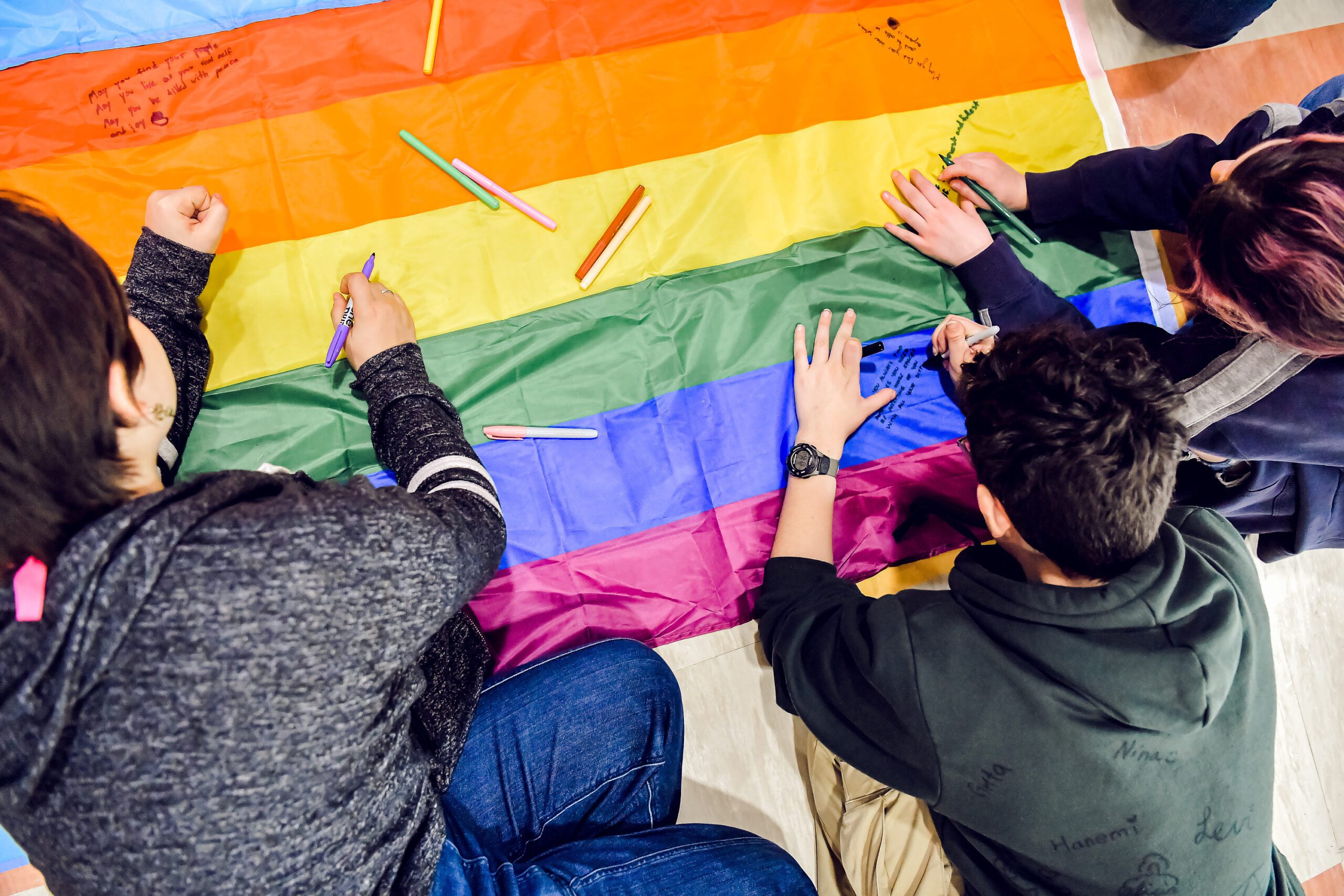
Kavod, or respect, is a value that’s important to me because it covers so many situations and experiences. Respect comes in many forms, but most importantly for me, it means listening to what people tell you. As I have learned more myself and started to educate others, I have come to realize that it’s ok to not know the perfect language to describe an identity, or to make a mistake with a person’s pronouns. It’s the fundamental idea of respecting other people that truly matters.
When we can see everyone for who they are, and treat people with the respect they deserve, then we are on the way to making the world a better place for everyone. You don’t have to “get” what it means to be trans to treat someone with respect. (But please do educate yourself, Google is a great tool!) If a trans person tells you their pronouns, name, or what they might need from you in a situation, listen to us and respect what we have to tell you.
-Anonymous
—
Shalom Bayit: Peace in the Home
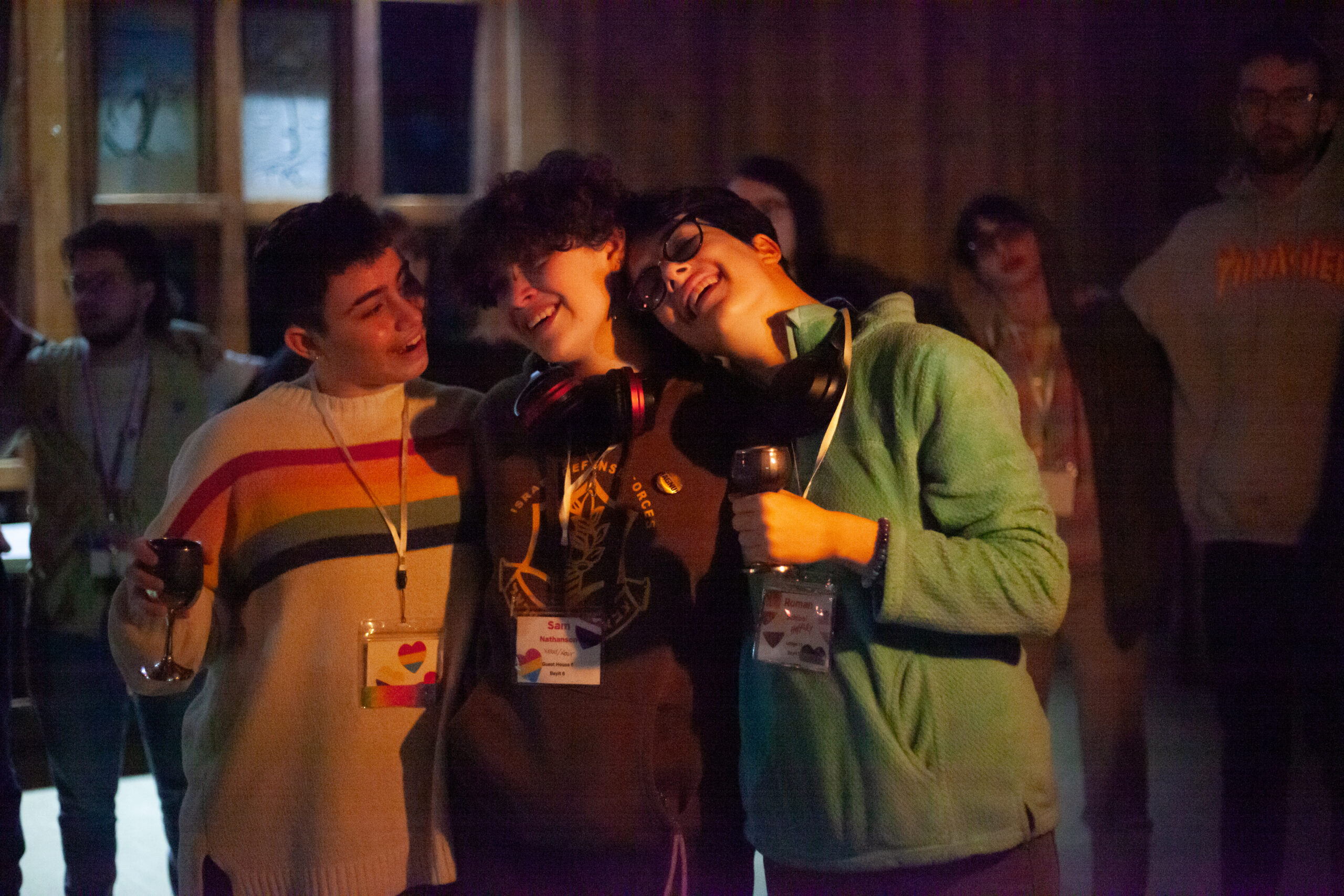
Trans folks often have a complicated relationship to home and our biological families. One of the places I truly feel shalom bayit, or peace in the home, is in direct community with other trans people. Together, we can create an incredibly loving community where we treat each other as family because we are a chosen family for each other. Through our shared experiences as trans people, we create a home for ourselves and each other.
In community, we can create a peaceful system where we are all respected and loved authentically and holistically as our transgender selves. In my experience, this is the time when I feel most at home and most peaceful, entirely trans and entirely loved.
–Noah
–
B’tzelem Elohim: In God’s Image
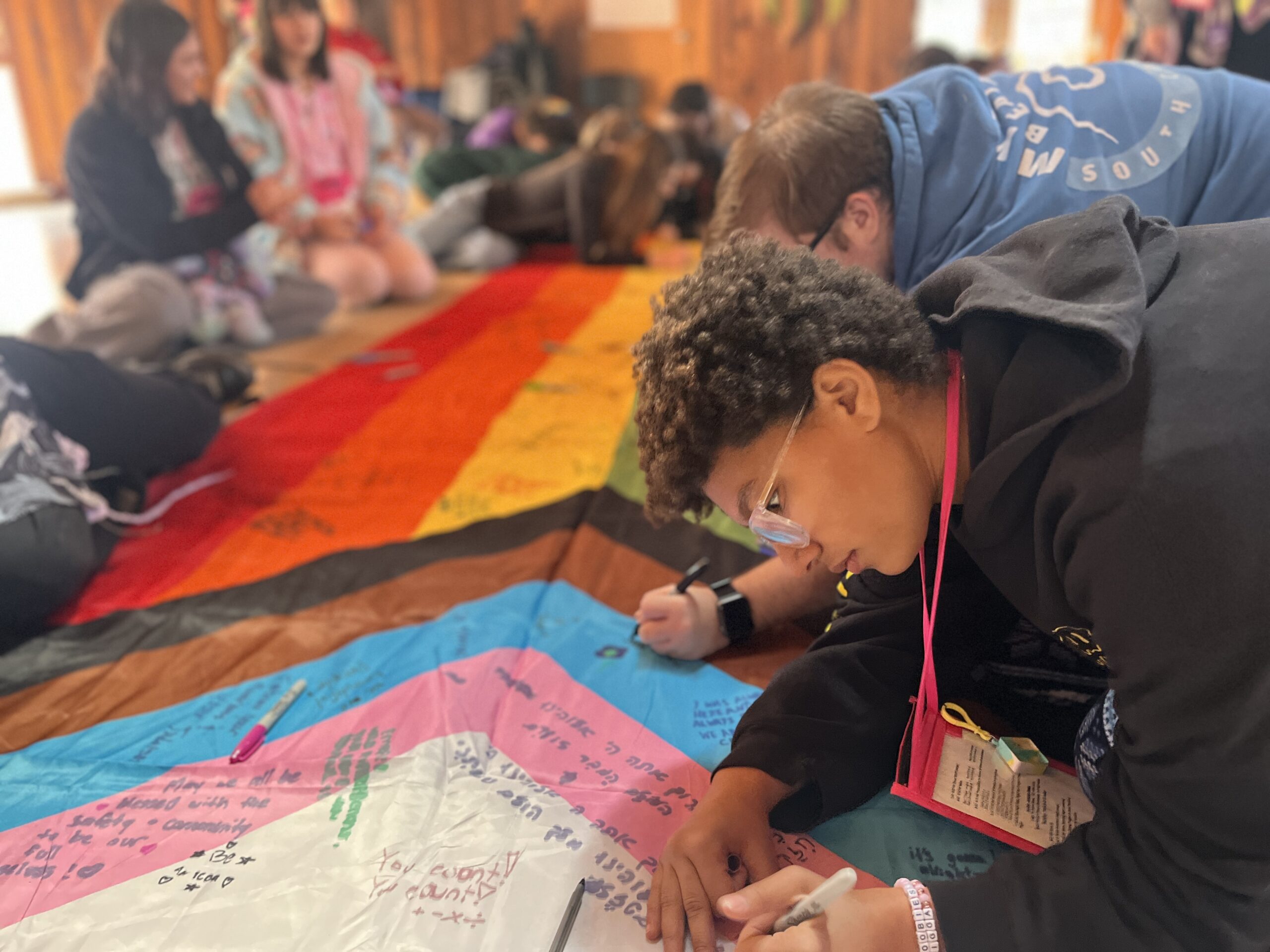
I have been out as transgender for the last two years. The first year was incredibly difficult: despite living in an incredibly accepting household and community, I struggled with a visceral feeling of moral failure. This feeling, often called “internalized transphobia,” is a byproduct of growing up in a society that, despite one’s immediate surroundings, systemically rejects transness and fails to show trans youth that we belong. I feared that my being trans was some kind of divine punishment, and this fear caused a significant decline in my mental health.
I did not expect to find my solace in religion. I did not grow up in a significantly religious household, nor did I feel particularly inclined to seek out religious spaces. As a Jewish person of color, I felt disconnected from the Jewish spaces that were around me due to their racial and ethnic homogeneity. So, when I signed up to attend a Keshet Shabbaton, I was not expecting anything particularly significant to happen.
At the Shabbaton, I was introduced to the concept of B’tzelem Elohim – being made in G-d’s image. I initially struggled with the concept – It was difficult to see my trans body as anything other than a mistake. Still, the text insists, “When G-d created man, They made them in the likeness of G-d; male and female They created them.” Many people read this as saying that G-d made humans either male or female. But when I read this I see that G-d Themself encompasses more genders than either/or – and made people who reflect this too. Regardless of my complex self-image, G-d deliberately made me trans – G-d made me like Them.
Being able to see my transness as something holy radically shifted my self-perception. As I transition, I frame my experiences in the sanctity of transformation. I recite prayers when I do my T-shots and thank G-d for making me trans. My trans and Jewish identities do not just coexist – they are inextricable from one another. My trans body is sacred.
-Is
—
Shmirat Halashon: Guarding One’s Use of Language
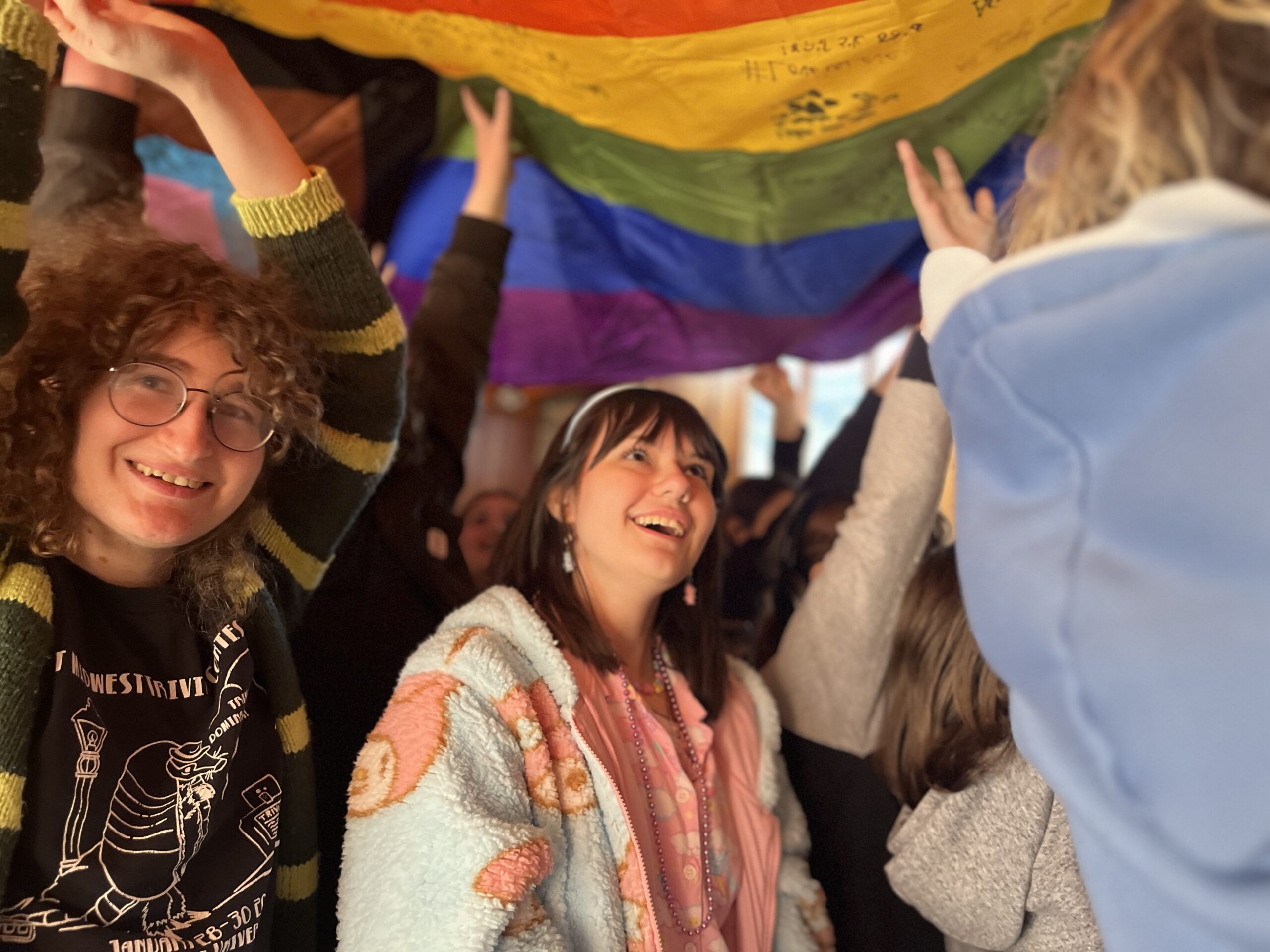
As I was taught since I was a young child, words are powerful. Words can be empowering, and words can be depriving and hurtful, and restrictive. The Jewish value of שמירת הלשון, Sh’mirat Ha’Lashon, or “guarding our speech,” reminds us as individuals and as a community to think about the impact our words can have, and guard the use of our own language.
A big piece of שמירת הלשון/Sh’mirat Ha’Lashon is not engaging in לשון הרע/Lashon Ha’Ra, which is often translated as evil or derogatory speech. As a trans Jew, the very first thing that comes to mind as לשון הרע/Lashon Ha’Ra is purposeful misgendering, that is, intentionally using the wrong pronouns for someone trans or gender nonconforming. I firmly believe that referring to someone in a way that denies their very basic sense of self – even behind their back – absolutely qualifies as לשון הרע/Lashon Ha’Ra. Therefore שמירת הלשון / Sh’mirat Ha’Lashon asks us as Jews not to misgender people.
Both within the trans community, as well as the general population, there is a lot of debate about the validity of certain trans identities and what criteria need to be met to reach “real” transness. These debates result in painful gatekeeping, where people who are struggling to be seen as our full selves are told we still don’t belong. For me, I take שמירת הלשון / Sh’mirat Ha’Lashon as an opportunity for all of us to reflect on the ways we interact with other people, and not to undermine other people’s dignity by questioning whether other people really are at their core who they say they are.
Guarding one’s language doesn’t just mean refraining from saying certain things. It also means being intentional about what you do say and specifically how you say it. It’s not enough to not misgender people, not question their validity, not speak negatively about them; we need to use language that is inclusive, intentional, and clear.
Finally, I want to recognize another type of intentional language that I see as falling under שמירת הלשון / Sh’mirat Ha’Lashon. When you claim an identity, a name, a set of pronouns, or a label, you are saying “הנני” / “Hineni,” “Here I am.” You can translate שמירת הלשון / Sh’mirat Ha’Lashon differently and come to new understandings: שמירת means “guarding,” but it also means “preservation.” For trans Jews (and all marginalized people), I like to imagine שמירת הלשין / Sh’mirat Ha’Lashon as sort of the radical act of self-preservation, both mentally and physically. And as the great Audre Lorde says, “Caring for myself is not self-indulgence, it is self-preservation, and that is an act of political warfare.”
-Elianna
—
Al Tifrosh Min Hatsibur: Solidarity
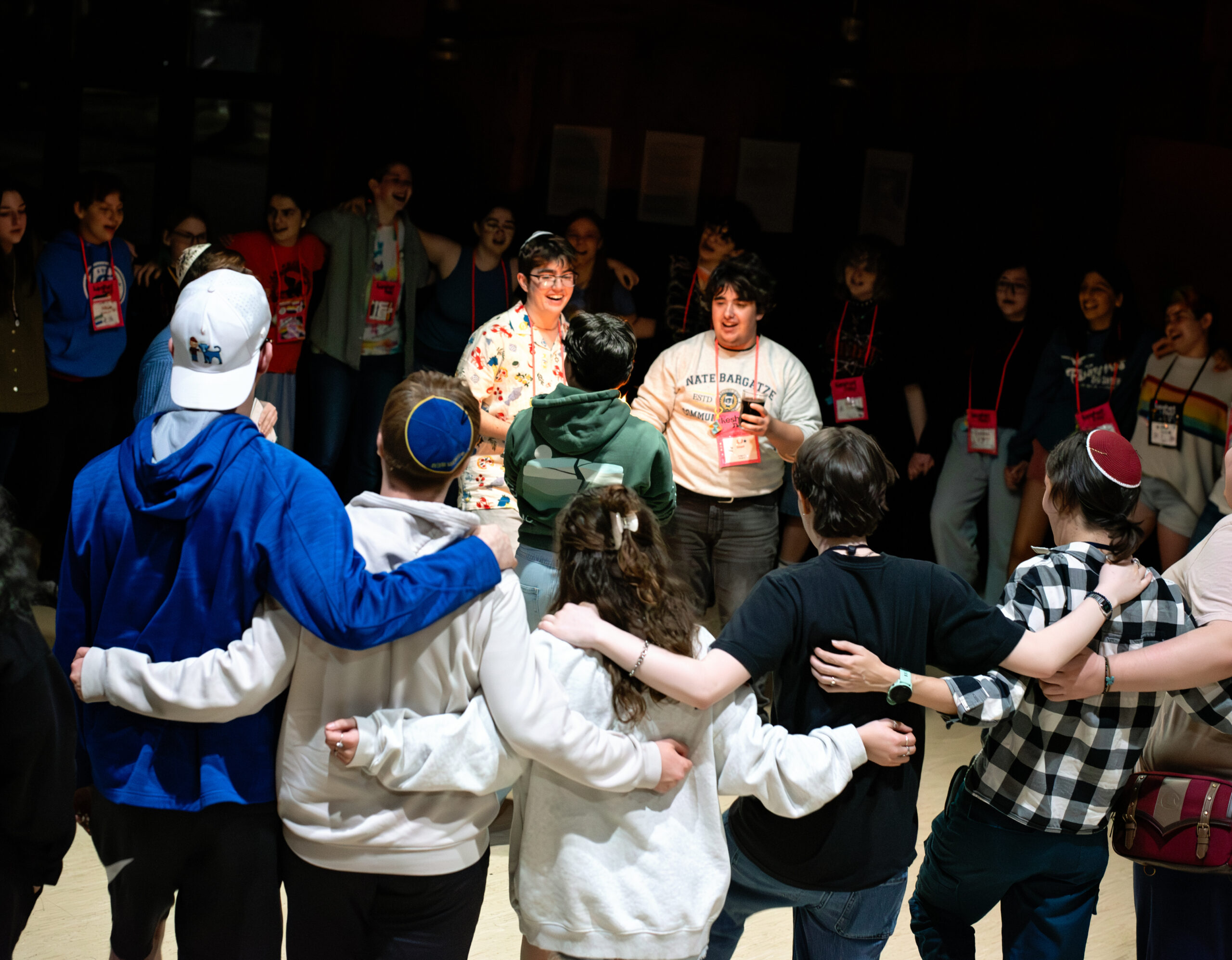
Al tifrosh min hatsibur translates to “Do not separate yourself from the community,” from which I derive a commandment to be and act in solidarity with one’s community. Standing in solidarity with others, and feeling that one’s community actively stands in solidarity with one’s full, authentic self, is powerfully life-affirming.
My trans experience is shaped by people standing in solidarity with me. Standing up for me when slurs are being thrown my way, supporting me when I feel dysphoric and more. Solidarity also reaches further than that. In my Jewish and trans community, it means teaching me a prayer to say when I put my binder on, giving me the strength to both exist and thrive as a Jewish trans person and more.
To stand in solidarity is to use one’s own power to empower others. When we stand up for each other in all these ways, we make sure that we are not separating ourselves from our communities, and at the same time that no one is being separated or pushed away.
– Ollie
—
V’ahavta L’reacha Kamocha: Love Your Neighbor as Yourself
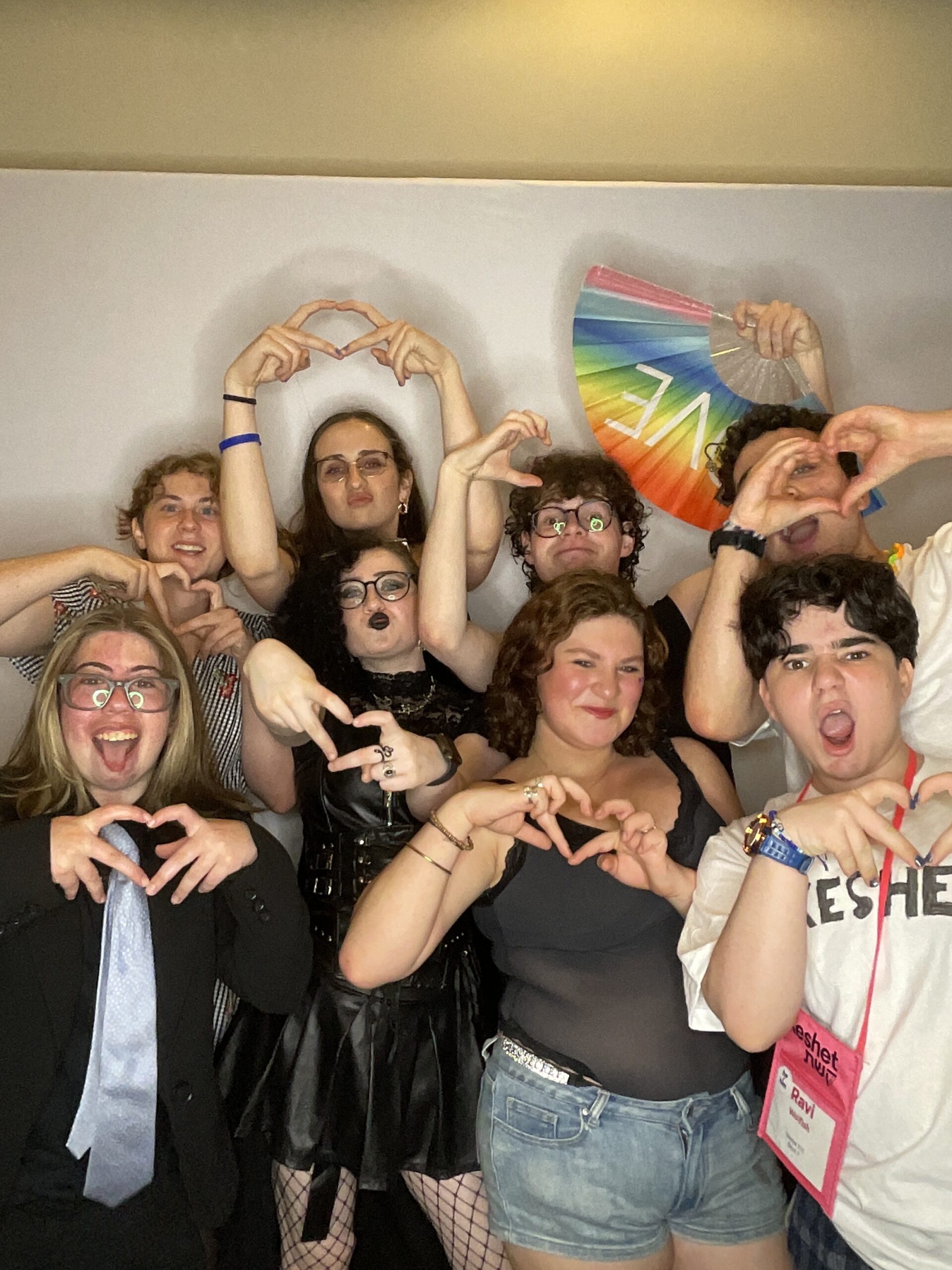
I am a queer, gender nonconforming, Modern Orthodox Jewish teen, so my journey has not been easy. I came out in an Orthodox middle school and was immediately branded as an outcast. But I’ve received way more support than I expected.
When I came out, the school leadership sat down with students and told them that they had to respect me even if they disagreed. After some girls refused to room with me on my school trip because they didn’t want to share a room with a lesbian, several other girls offered to take their place. After I published an article titled “On the Need for LGBTQ+ Inclusion” in The Jewish Link, my local newspaper, about my struggles in being an Orthodox queer teen, I expected a lot of backlash. I kept waiting for criticism, stigma, and homophobia from the members of my community. It never came. Instead, I received an overwhelming amount of support from neighbors, parents of friends, and complete strangers. They were perfectly embodying the Jewish value of V’ahavta L’reacha Kamocha, or “love your neighbor as yourself.”
Even though many people in my community didn’t understand me, even though they may have been judging or pitying me, even though they may see their lives as better than mine, they still chose to treat me with respect. If it hadn’t been for those in the Jewish community who decided to respect me regardless of my differences, not only would I not be Jewish, but I doubt I would even be here right now.
– Rivka
Keshet envisions a world in which all LGBTQ+ Jews and our families can live with full equality, justice, and dignity. Stay connected by joining our email list and following us on social media.






National Office - Boston
1860 Washington St.
Newton, MA 02466
Phone: 617.524.9227
New York / Bay Area / Chicago / Florida / Texas